Quick answer
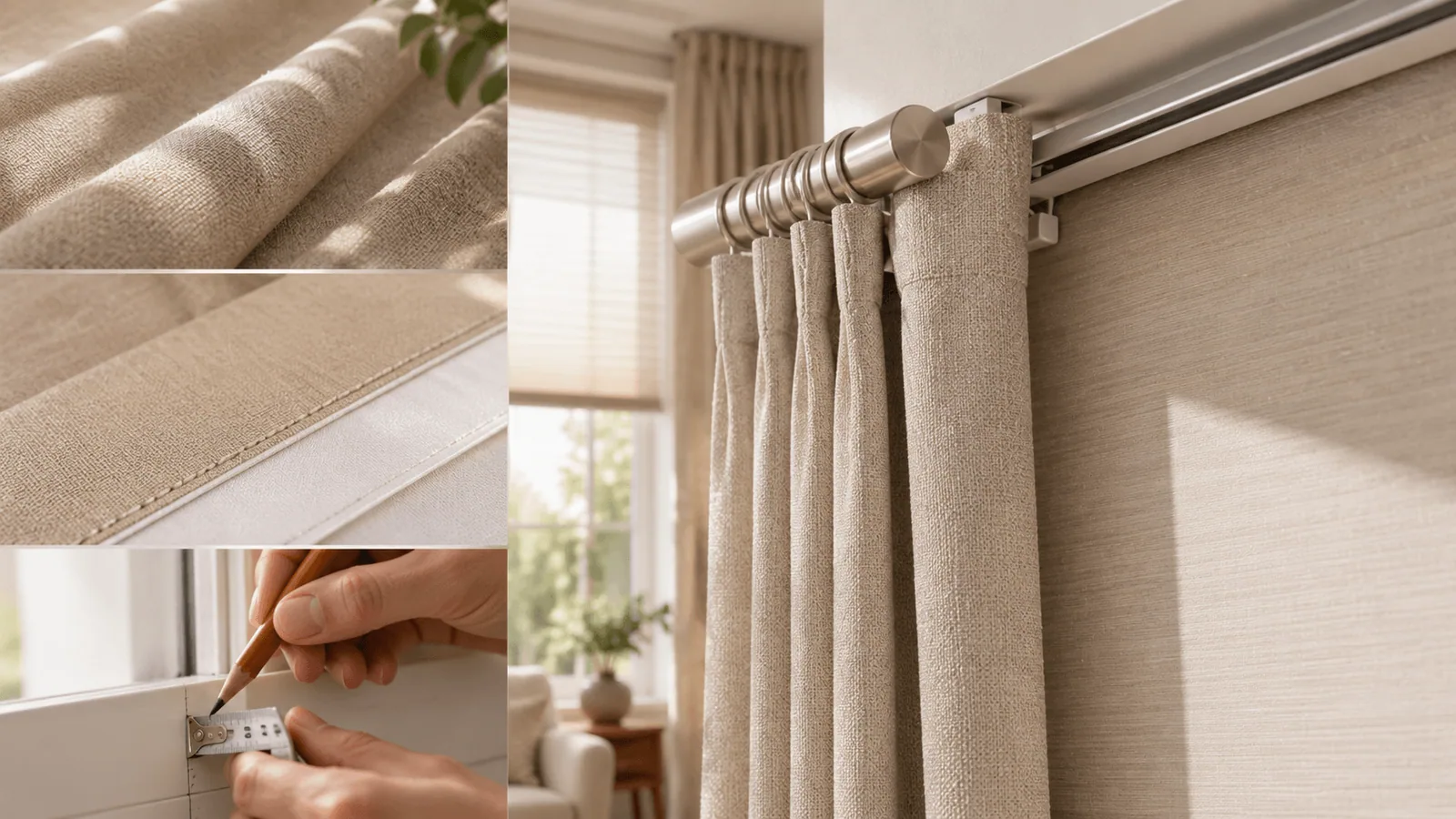
A quality curtain is not just “nice fabric”. Real quality is the combination of fabric, mechanism, UV resistance, precise production, accurate measurement and clean installation. Local users may search this topic as kvalitet na zavesi, najdobri zavesi or zavesi po merka kvalitet, but the important part is knowing what to check before buying.
Why this matters
Curtains stay on the window every day for years. They are raised, lowered, exposed to sun, dust, humidity and daily use. If the fabric or mechanism is weak, problems appear quickly: uneven movement, fading, sagging, curling edges or poor closure.
With made-to-measure curtains, quality should be seen as a system. Good fabric without a suitable mechanism is not enough. A good mechanism without precise fitting also fails to deliver the right result.
Fabric: composition, weight and stability
The material must fit the room
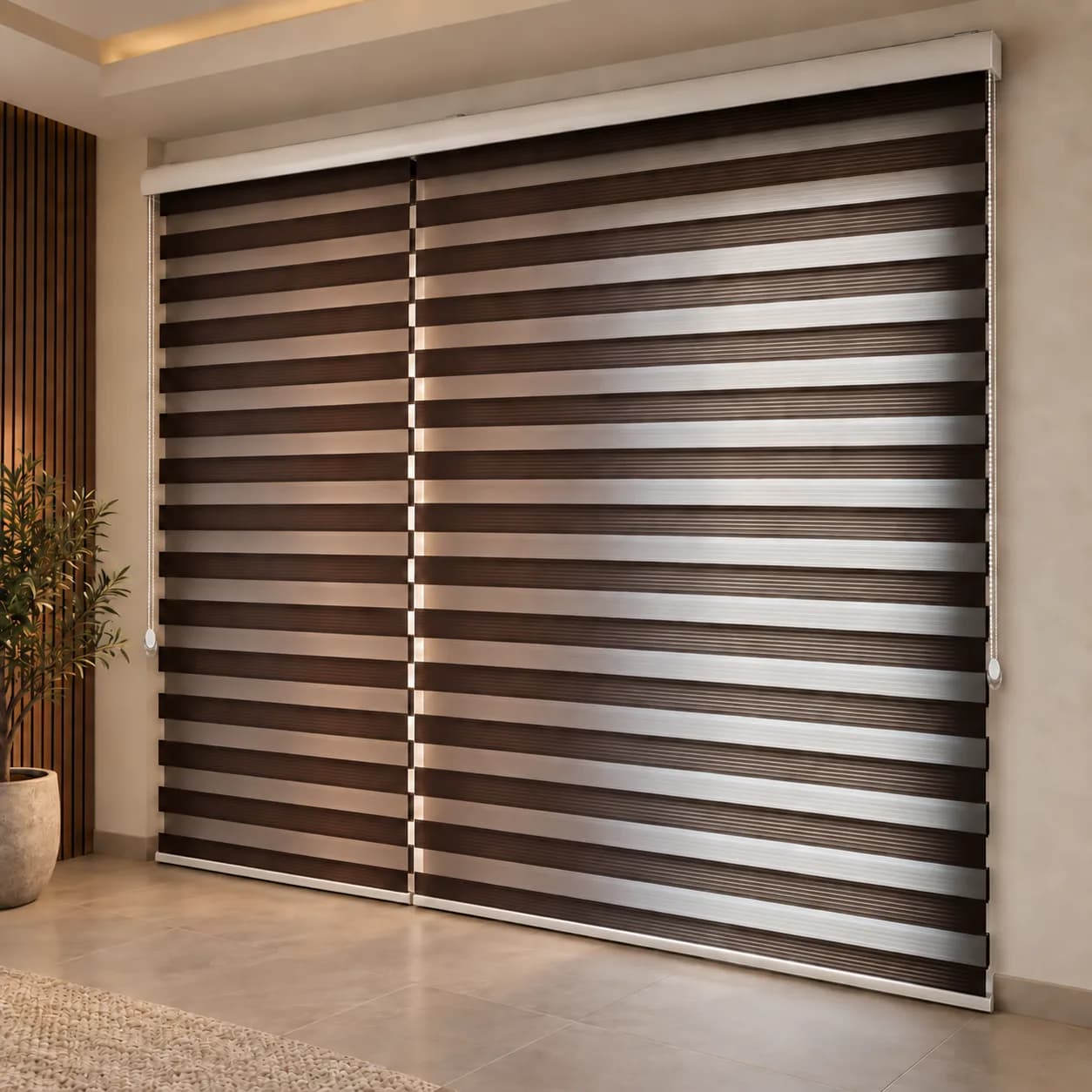
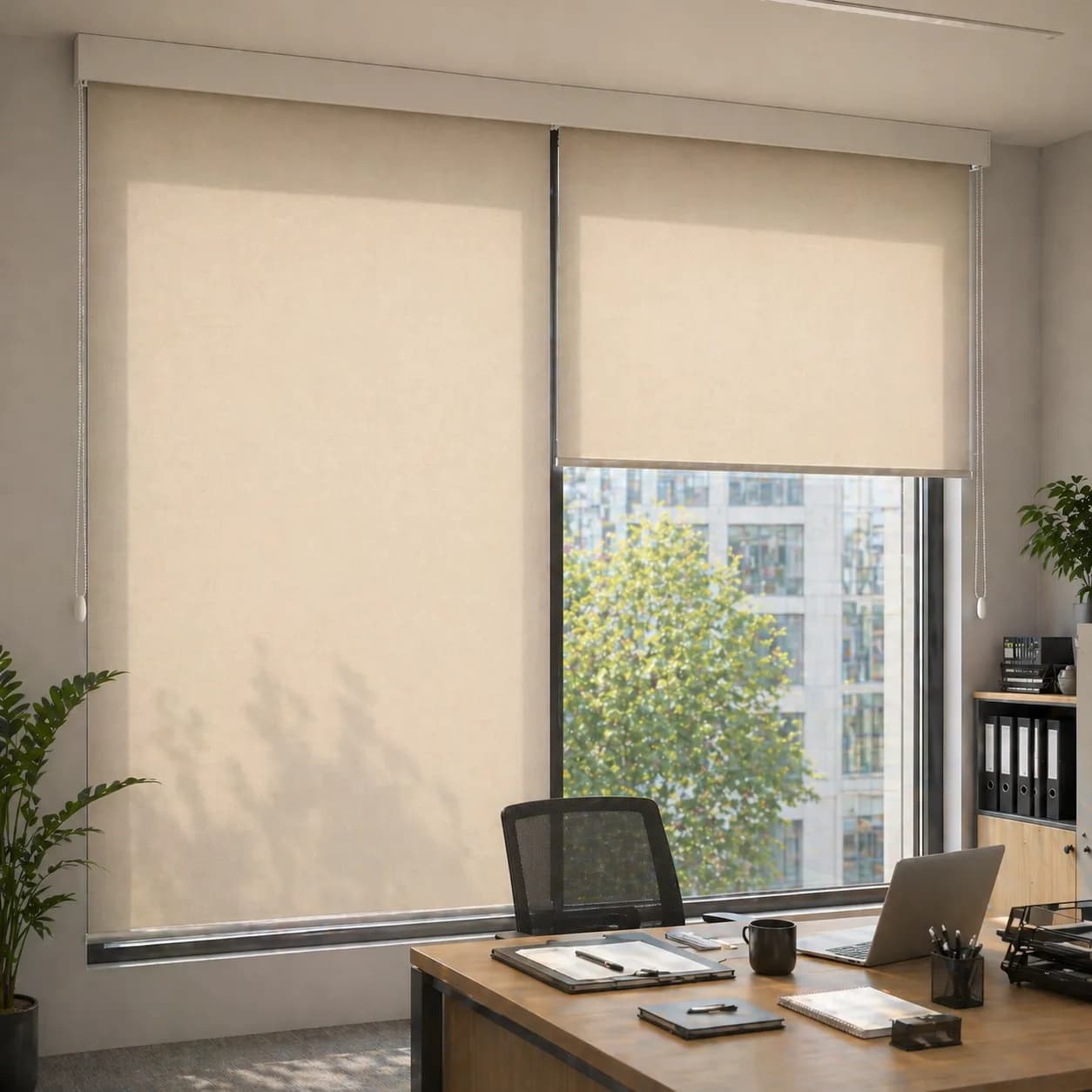
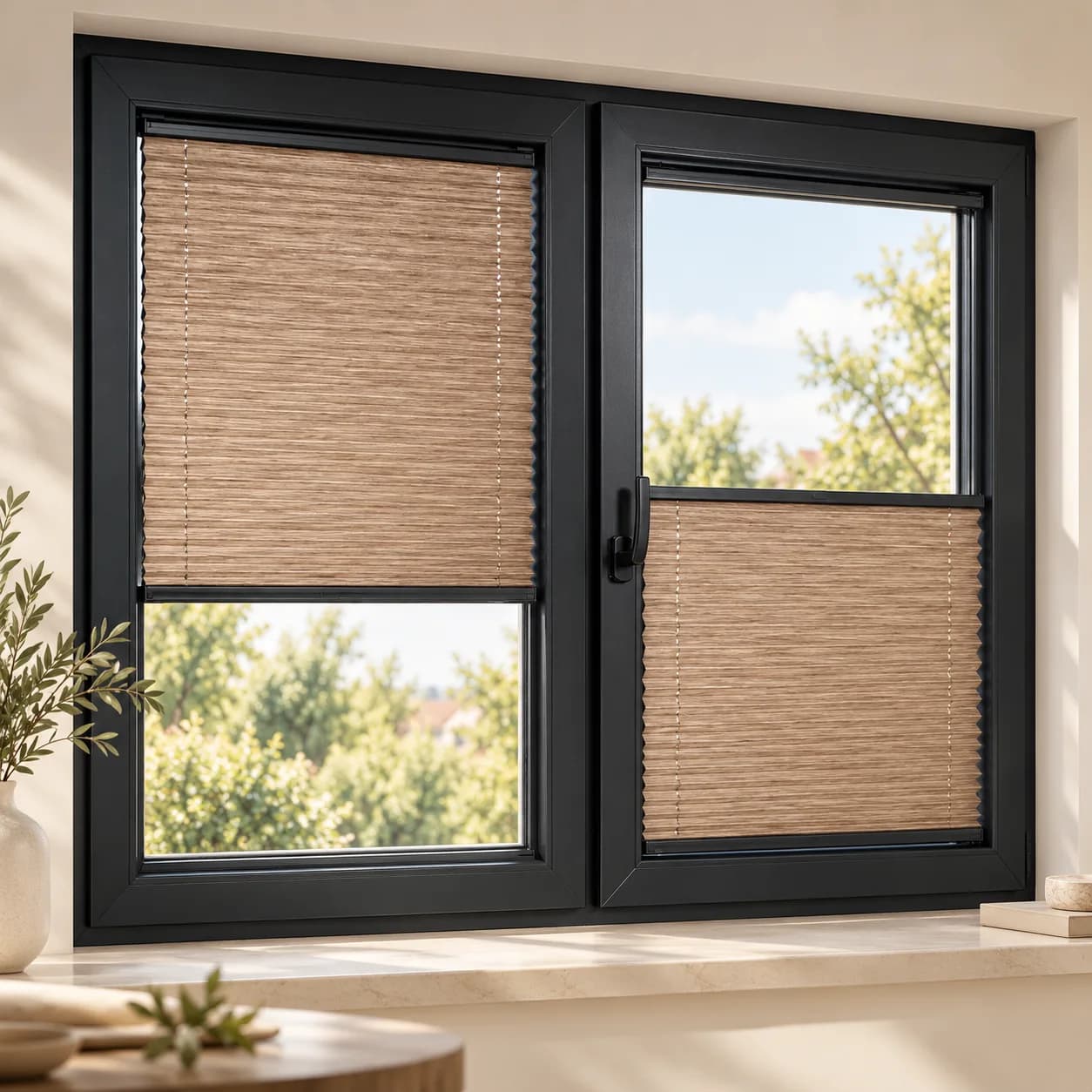
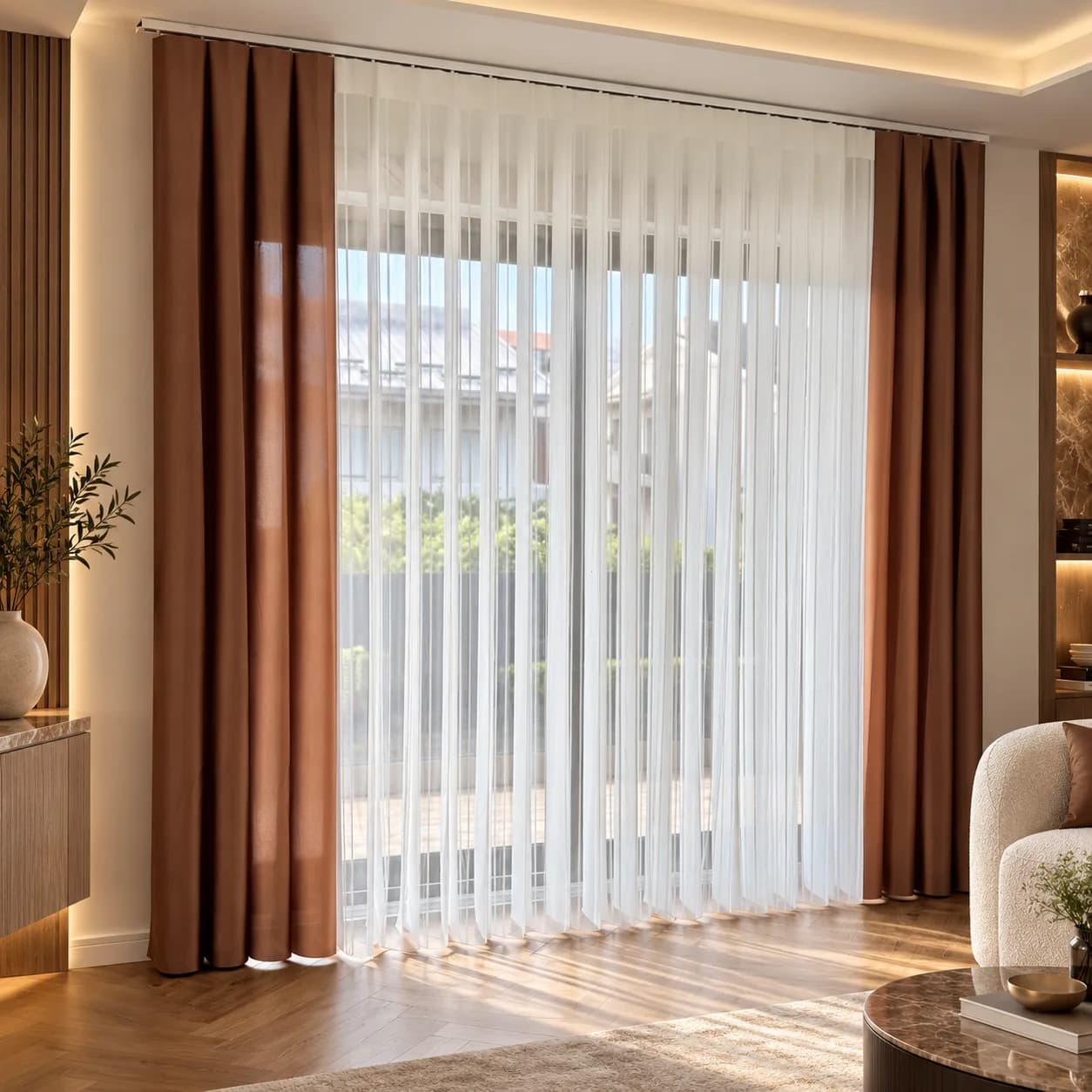
A living room may need soft light and texture. A bedroom may need blackout. A kitchen needs easy maintenance. A terrace needs outdoor resistance. That is why zebra, roller, pleated and ZIP systems should not be compared only by price.
Weight and shape
Heavier fabric is not automatically better. The fabric should hang flat, avoid curling at the edges and suit the width. Pleated blinds need strong fold memory, roller blinds need stable edges and zebra blinds need accurate band alignment.
Mechanism: smooth movement and long-term stability
Rail, cassette and brackets
The mechanism must match the weight and width. Wide windows need stronger support. If the system is used every day, the chain, tube and cassette should move smoothly.
Manual or motorized
Motorization is useful for high windows, large systems and premium interiors. A manual system can also be excellent when it is correctly sized and installed.
UV resistance and color
Sunlight is one of the toughest tests. South and west-facing windows receive strong UV exposure, so cheap fabrics can fade quickly. Rooms with intense sun need better material resistance, especially with darker shades.
Neutral colors like cream, beige, white and anthracite tend to age better visually. Strong trend colors can look attractive, but they should be chosen carefully.
Measurement and installation
Accurate measurement is the foundation. A curtain can use excellent fabric, but if it is off by one or two centimeters, it may leave gaps, touch where it should not or move poorly. Professional measurement and fitting turn a good curtain into a perfectly integrated one.
Comparison
Common mistakes
- Comparing only price per square meter.
- Choosing fabric too light for a wide window.
- Ignoring sun orientation.
- Buying without seeing samples in real light.
- Installing without professional measurement.
- Choosing a mechanism that is too weak for the fabric.
Tip from Grombi: When comparing offers, ask what is included: measurement, fabric, mechanism, fitting, transport and service. The lowest price is not always the best value.
Questions to ask before buying
Ask about fabric composition, UV or anti-static protection, minimum billable surface, whether the mechanism is suitable for the dimensions and whether fitting is included. These questions quickly show whether the offer is professional or only cheap.
Sample check
Always view samples in real light. The same color can look different in a showroom, living room and window with strong afternoon sun. This is why on-site measurement with samples is so useful.
Quality after years of use
A good curtain should still look stable after several seasons. It should not wave, curl, yellow or become hard to move. That depends on the full combination: material, construction, use and service.
Conclusion with call to action
A quality curtain is a system that should work beautifully for years. Request measurement, review samples in your actual light and compare the full package, not only price. To compare types, see how to choose curtains or contact Grombi for a recommendation.