
Quick answer
Made-to-measure curtain production often takes 1 to 5 business days when the fabric is in stock and the order is standard. As a safer planning baseline after offer approval, allow 7 to 10 business days, especially for multiple windows, special fabrics, large dimensions, motorization or phased installation. Local searches may also use Latin terms such as zavesi po merka rok and kolku trae izrabotka na zavesi.
Why lead time varies
Made-to-measure curtains are not pulled from a shelf. The process includes measurement, material selection, offer confirmation, cutting, mechanism assembly and installation. The timeline depends on the product, fabric availability and project complexity.
Standard products with available material are the fastest. Larger properties, unusual dimensions, custom cassette colors, motorization and ZIP systems require more planning.
Typical timing by product
Zebra, mini zebra and roller blinds
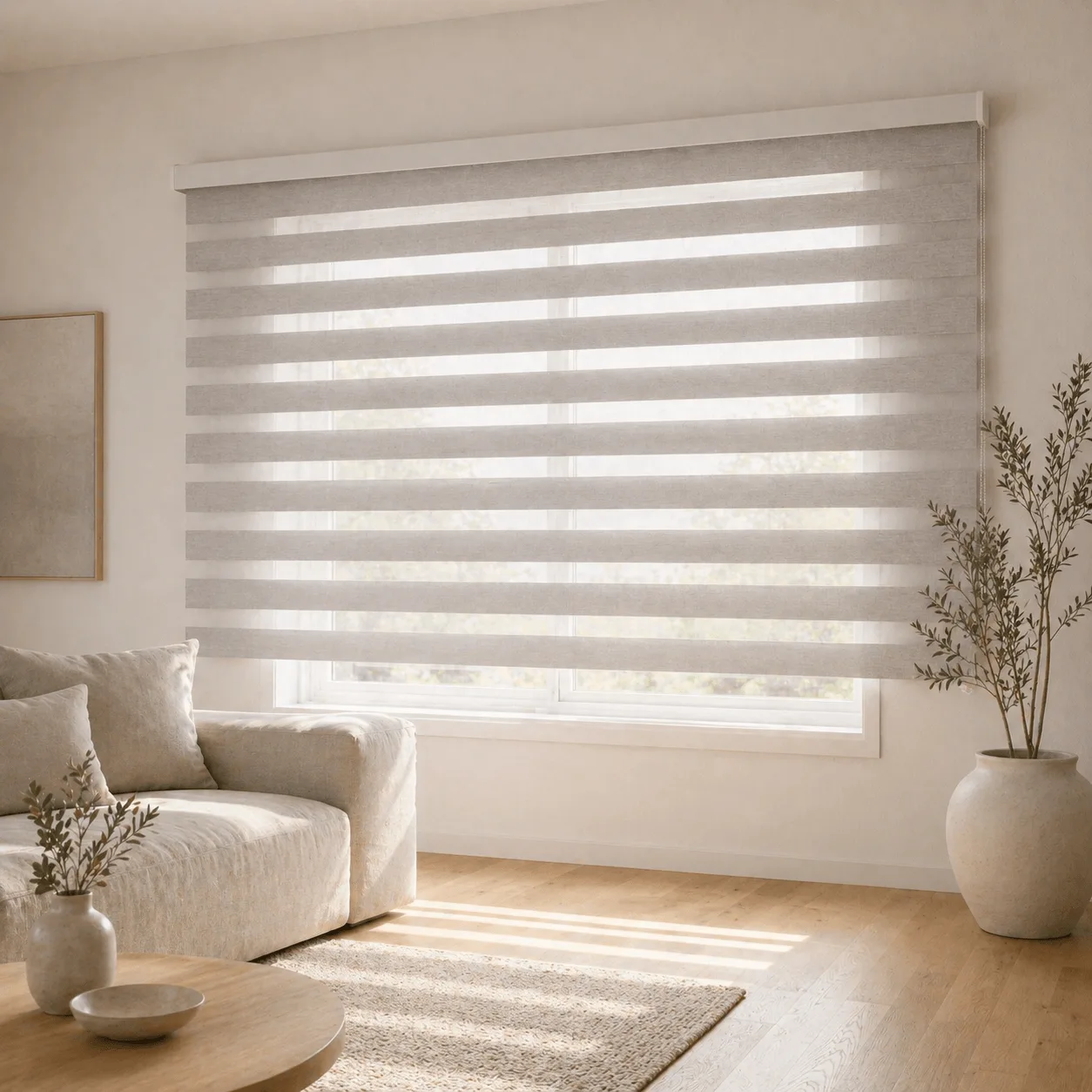
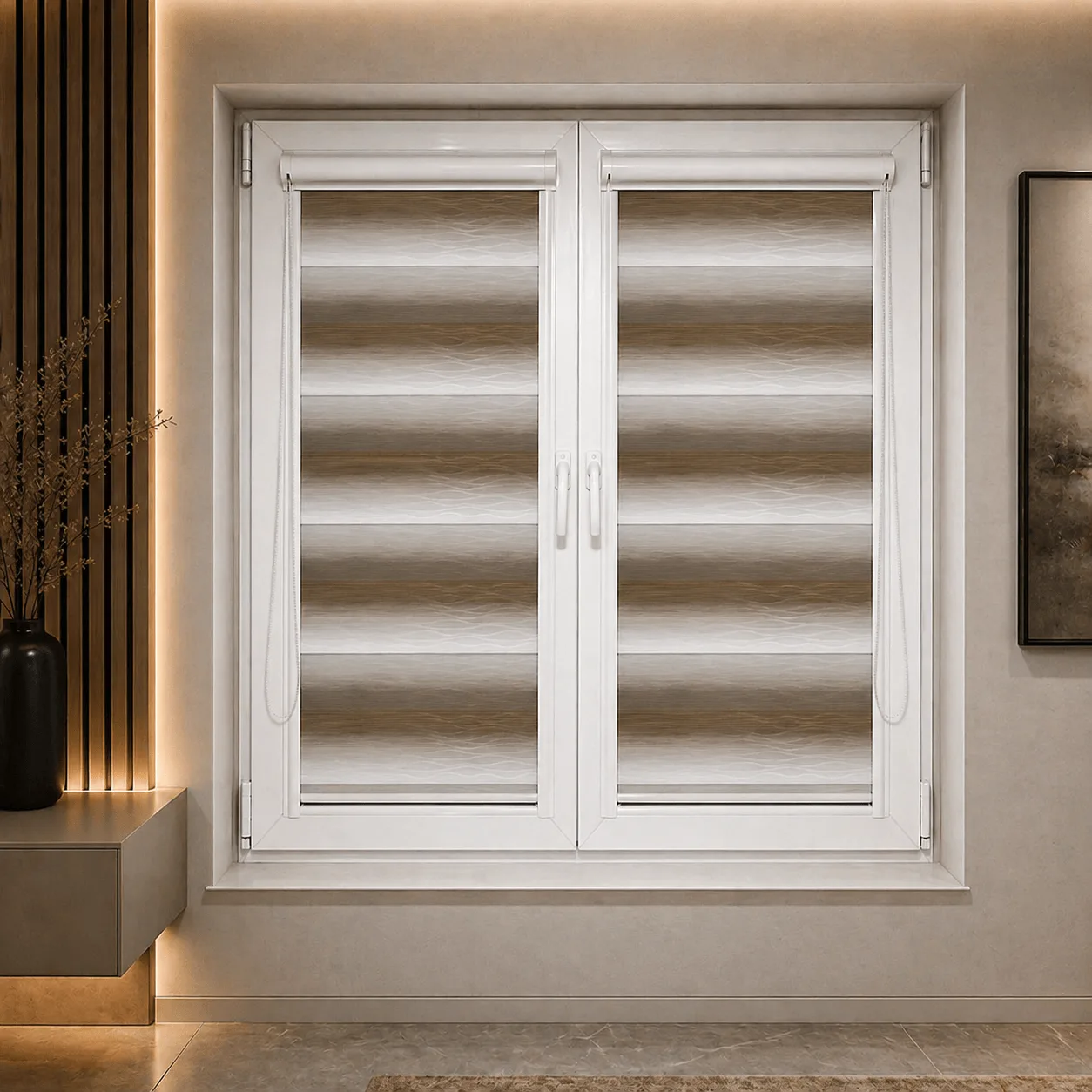
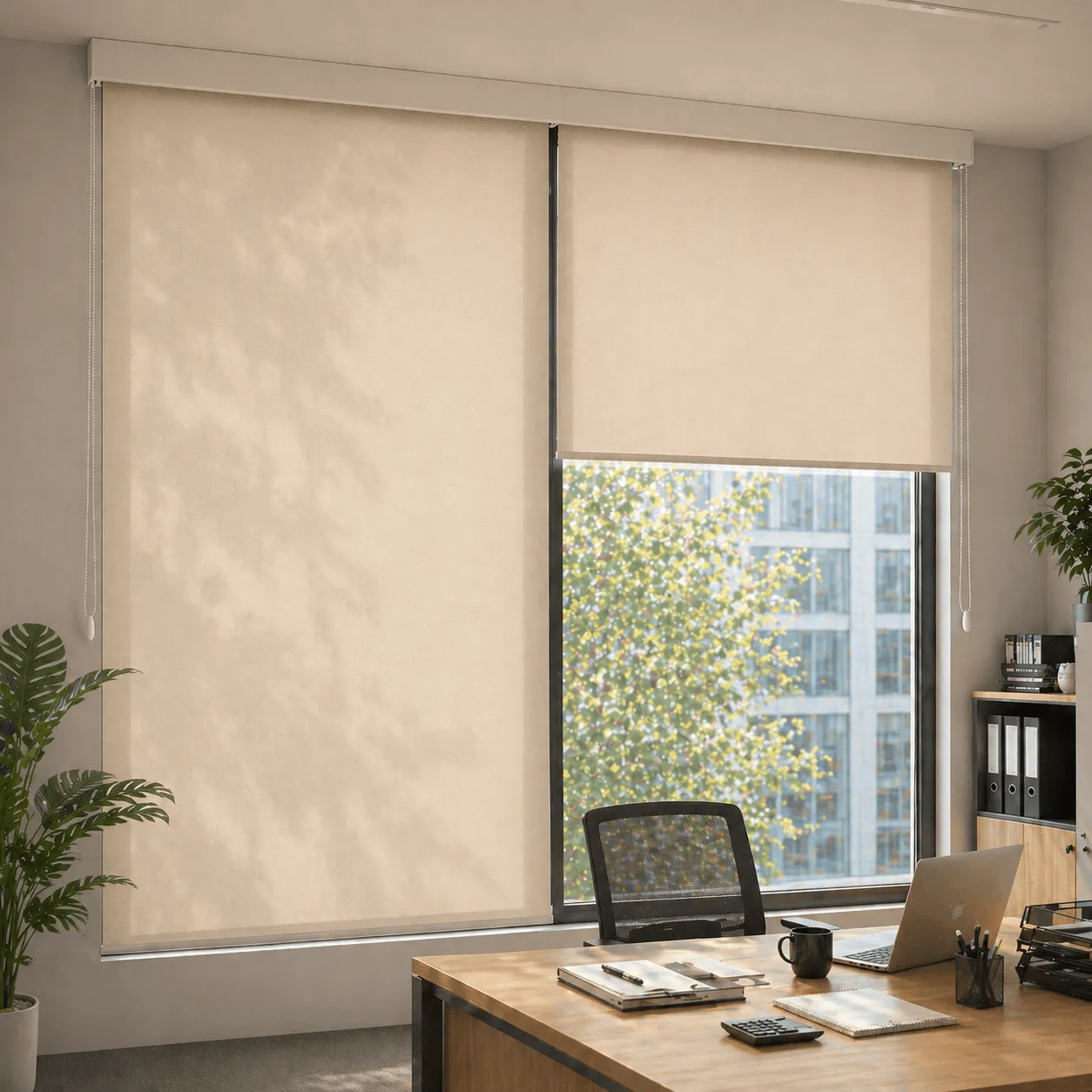
Zebra blinds, mini zebra and roller blinds are usually among the fastest products when the fabric is available. A single standard room may be completed quickly; multiple rooms should be planned with the 7–10 business day baseline.
Pleated blinds and mosquito screens
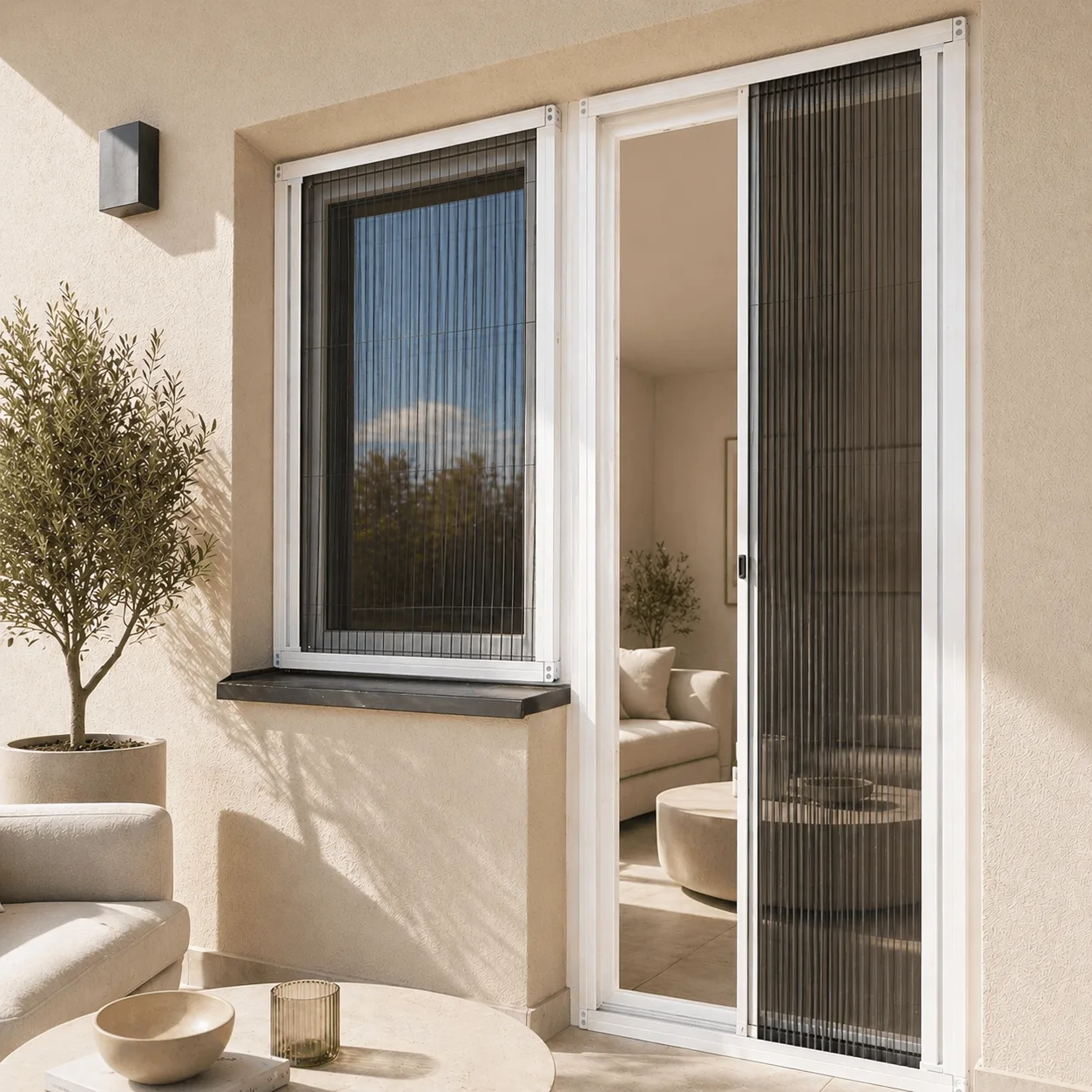
Pleated blinds and mosquito screens require precise measurement, especially for roof windows, doors and unusual openings. Accuracy matters more than speed.
Drapery and ZIP systems
Classic curtains and drapery depend on fabric availability and sewing time. ZIP systems require technical precision for terraces, façades and hospitality projects.
The process
1. First contact
The client shares the idea, photos or approximate dimensions. This helps narrow the best system before measurement.
2. On-site measurement
Exact dimensions are taken and samples are reviewed. This step shapes the final price and timeline.
3. Offer confirmation
Production timing starts after the offer is approved and the material is selected.
4. Production and installation
The product is cut and assembled, then installation is scheduled. Larger projects can be installed in phases.
Comparison
Common mistakes
- Planning installation one day before moving in or opening.
- Choosing fabric without checking availability.
- Measuring approximately instead of on site.
- Changing the model after offer approval.
- Ignoring holidays and seasonal demand.
- Ordering a full property without a phased plan.
Tip from Grombi: If you have a fixed move-in, renovation or opening date, mention it at first contact. It helps align materials, production and installation realistically.
How to shorten the timeline
Most delays happen when the client has not chosen the product type, color or material, or when dimensions are only approximate. To speed things up, prepare window photos, approximate widths and heights, room count and whether you need darkness, privacy or decoration.
What helps at first contact
Send one photo of each window, the city, property type and any deadline. This allows the team to suggest two or three realistic options even before measurement.
Seasonality and planning
During renovation periods, before holidays and before summer, demand can be higher. If you are planning a terrace, hotel, apartment or full home, avoid waiting until the last week. Earlier ordering means better material choice and smoother fitting.
Conclusion with call to action
A realistic timeframe is 1–5 business days for standard available models and 7–10 business days as a safe baseline after offer approval. Larger or specific projects are scheduled individually. For an exact timeline, request measurement and an offer through contact.